I believe 2025 will be judged on how much of the potential the project has been building up is realized. On a personal level I feel it could be a very slow year, but we will see.
As with all these write-ups, this will really just be scratching the surface of the progress from the year, and is really only systems / improvements I’ve personally tested and made screenshots for. As such there will be some bias in the coverage toward things I’ve worked on myself as screens were taken during development, but there’s also going to be a lot of important progress here from other developers too that caught my interest.
Due to the complexity of many of the tasks remaining in MAME this 2025 update will feature more ‘in progress’ content than previous ones, showing more systems that might not have quite crossed the line into ‘working’ territory yet, but where things have been moving forward in a meaningful way.
Interesting Prototypes
Atari were known for trying many different concepts back in the 80s, many of which never made it to market. Jammin’ was the prototype concept for a music based arcade game, something basically unheard of in 1985, which is when it was in development. Jammin’ was also Atari looking into conversion kits as it runs on modified Donkey Kong hardware rather than one of Atari’s own in-house PCBs. Sadly it did not make it to market, maybe because it was a little too simplistic, playing more like a game of Simon than a traditional arcade game. The data from this one ended up being recovered from old Atari VAX back-up tapes, luckily intact enough to get the game running even with no known examples of PCBs still in existence.


Gaelco’s Xor World is another game that didn’t make it to market. A version of it, on a dedicated PCB, has been supported in MAME for many years now, but 2025 saw several other versions of the game being made available for emulation. It was also discovered that while the Modular System was mostly used to create bootleg games it did form part of Gaelco’s internal development process, and one of the versions of Xor World that was being developed was designed to run on Modular System hardware and it’s very different to the version of the game that was already known about.


The other version of Xor World that has significant differences from the previously supported one is running on a hardware type closer to several other Gaelco games. Gaelco dubbed these platforms ‘flat’ hardware types, because they were single PCBs, as opposed to the massive stacks of PCBs used in the Modular setups. There are a lot of differents in the graphical and audio department with this one when compared with other supported versions.


An additional set of the already known version of Xor World was also provided, but it only differs by a single byte from the already known set. It isn’t clear what that byte controls, but as the game is a prototype it’s possibly a tweak used on location testing. This version of the game ran on a dedicated PCB design, with some unusual choices, like using PROMs for colour instead of paletteram, and a Philips SAA1099 based sound system. It’s the least complex of the hardware designs, and some presentation elements are stripped back, but may have been the final version.


When telling the story of influential arcade games, one that can’t be ignored is another Gaelco title, easily their most famous and another with an interesting development history. World Rally Championship was a 1993 isometric racer that put Gaelco on the map even outside of Spain. It’s known, from interviews with people who worked on the game at the time that it was originally meant to feature famous Spanish rally driver Carlos Sainz, but all references to him were removed after he changed teams during the course of the development of the game. Much like with Xor World, Gaelco made several versions of World Rally available for emulation, and one of them was an earlier development version from November of 1992, also running on the Modular System, which predates the change to remove Carlos Sainz from the game. Due to being an earlier version, on weaker hardware there are numerous other changes too, nor is the game protected unlike the final version which had many layers of protection to prevent bootlegging. There’s a lot of historical weight to this prototype, so it’s good to see it emulated in MAME!


Master Boy Olympic is a special version of Gaelco’s quiz game Master Boy that seems to have been developed to coincide with the Barcelona 92 Olympics. It isn’t clear how much distribution, if any, it saw at the time.


Paracaidista shows that Spanish arcade development was alive even back in 1979, with a simple black and white game all about aiming shot from your base at an oncoming army.


119 from Coreland and Sega is a possibly unreleased game that surfaced in 2025. At the time of writing it still has a NOT WORKING flag due to some strange player deaths that can happen seemingly at random in certain areas of the levels, it’s unknown if that’s an emulation fault or a problem with the game in general. It apparently had a troubled development history, with work starting in 1983, but the game not being shown in any form until 1986, when it may have seen a limited release or simply appeared at some trade shows. The hardware also feels antiquated by 1986 standards, running on hardware that derives heavily from Galaxian.


Improvements to Playstation based hardware
The weaknesses of MAME’s Playstation emulation can easily be seen when trying to run the library from the home console, but a number of those issues were also showing up when it came to the more limited cases of arcade games using Playstation based hardware. One of the most asked about of those cases was Primal Rage II. Some fixes to the SPU (sound hardware) handling and a few IDE ones (specific to the arcade hardware which used a Hard Drive ratehr than a CD) brought that up to working state in 2025; ironically before the original Primal Rage can even be considered fully working.
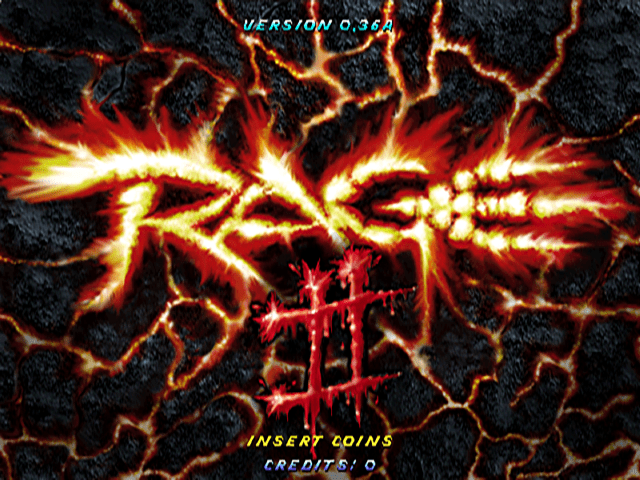
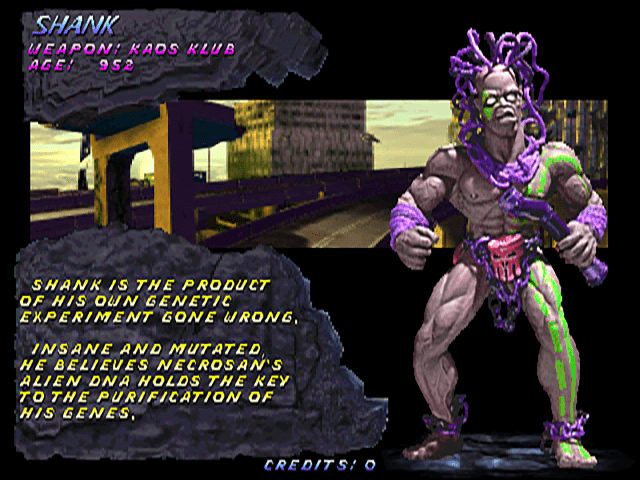
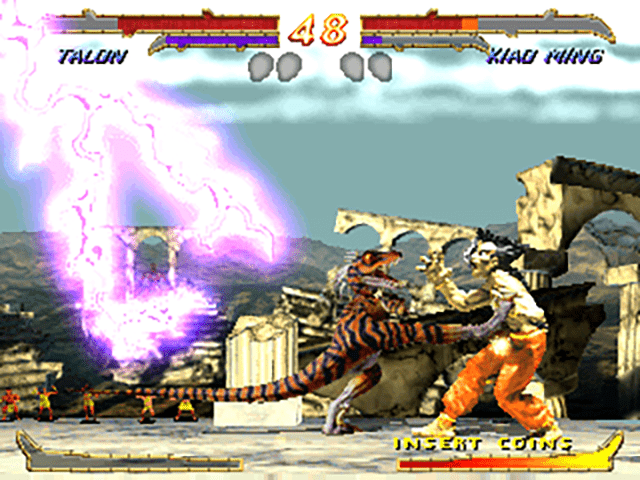
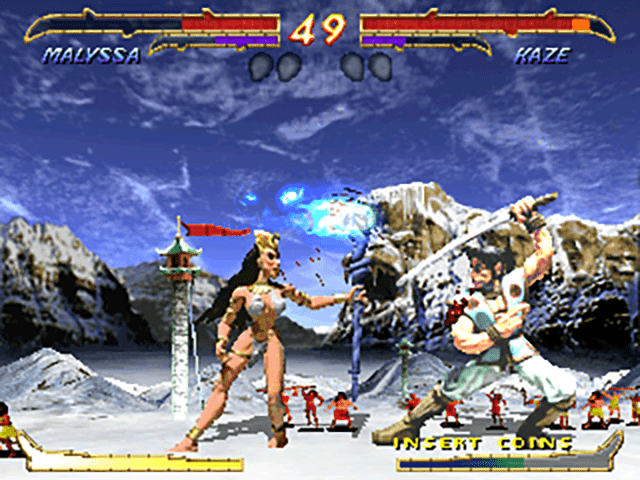
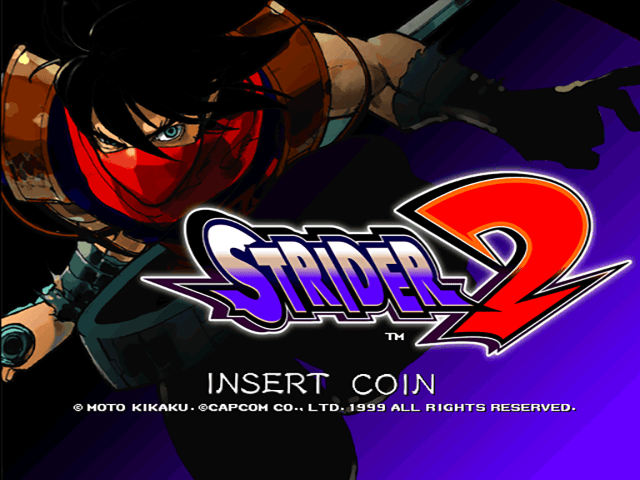
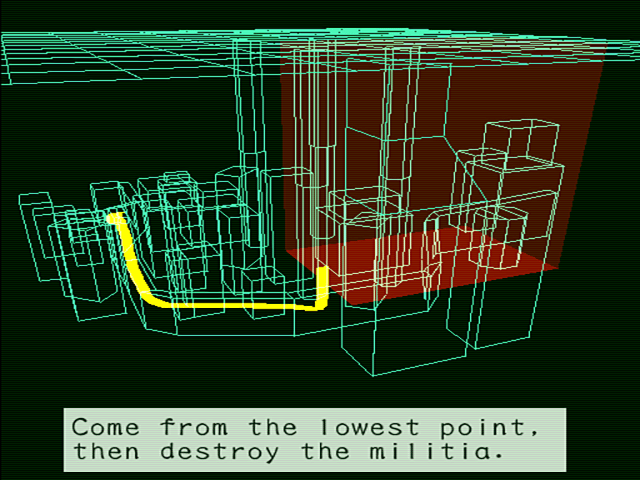
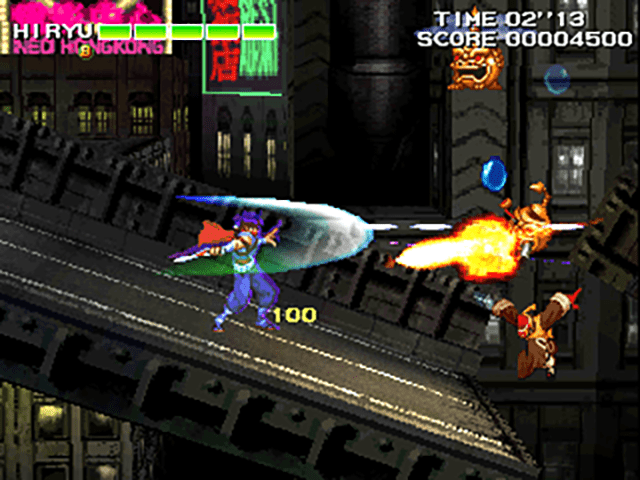
The aformentioned SPU fixes also fixed a long standing bug with Strider 2, which would previously crash if both buttons were pressed when walking. That one also gained proper working state.

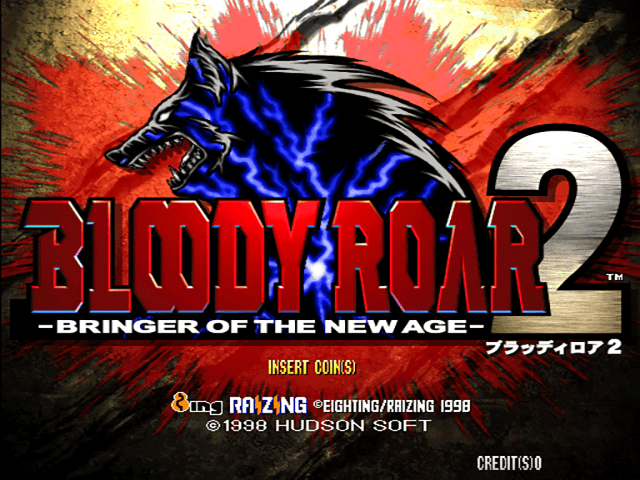
Bloody Roar 2 also benefited from these changes, and now runs the attract FMV without freezing during it, meaning you can leave the game running the demo cycle without issue, which previously wasn’t possible.
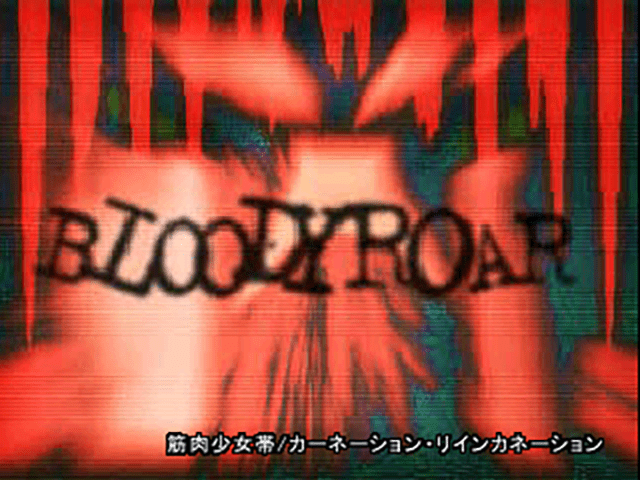
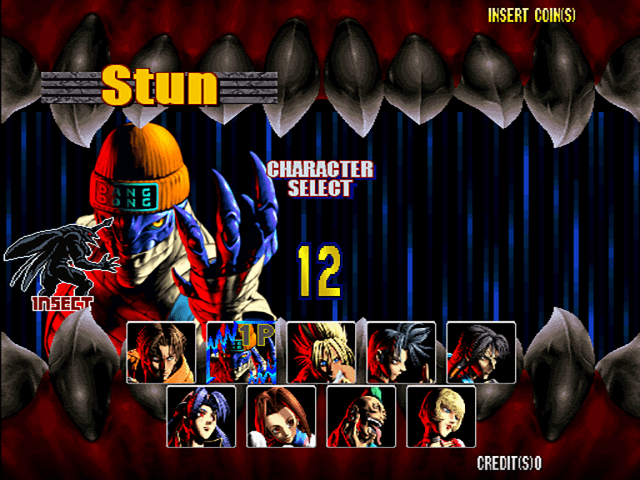
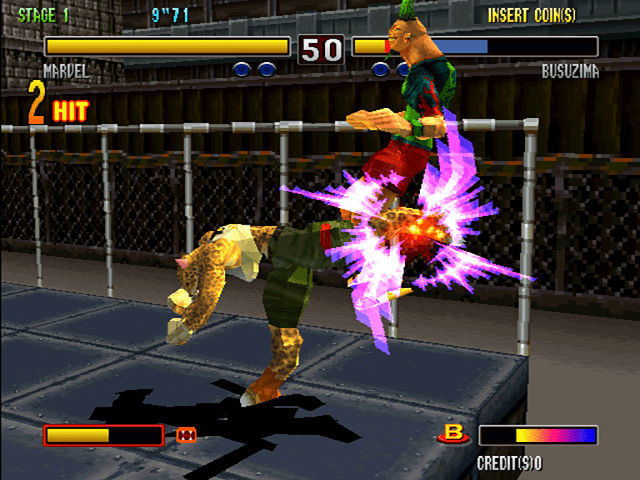
Some Taito G-Net games also benefitted from these improvements. While it’s always been possible to boot Space Invaders Anniversary with some CPU overclock/underclock workarounds it has never booted properly by default in MAME, so has always been considered a ‘NOT WORKING’ title. The changes made allow it to boot without any trickery
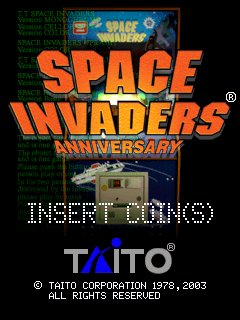
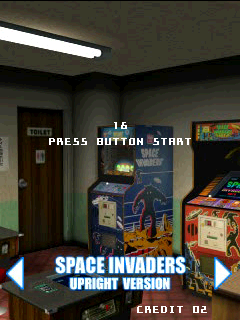
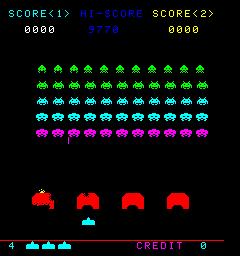
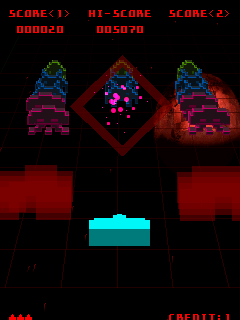
It’s likely a number of games for the home system were also improved by the same changes, but at the time of writing there’s no comprehensive list of those.
Arcade games on Console-based Hardware
Songjiangyanyi Final is an arcade release of the unlicensed Mega Drive game “Yīmén Yīngliè – Yángjiā Jiāng” (which would later be translated and rereleased by Piko as Clan of Heroes – Generals of the Yang Family) it runs on a “YBox” type arcade PCB using an OKI M6295 for samples, rather than going through the standard Mega Drive hardware to play them. These arcade versions also have additional protection.


Shuihu Feng Yun Zhuan is similar, again running on the “YBox” type board, and again based on an unlicensed Mega Drive game, “Fēngyún Chuán”, that was also later rereleased by Piko as “Water Margin – A Tale of Clouds and Wind”


More Plug & Play
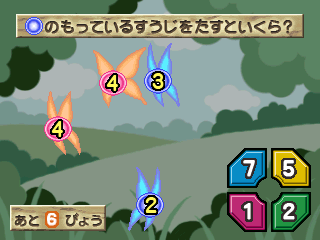
The new dumping techniques developed at the very end of 2024 saw their use spill over into 2025, with a number of other devices being dumped and emulated. Let’s! TV Play Kawashima Ryuuta Kyouju Kanshuu – Nou to Karata o Kitaeru Taikan Zunou Family Mattore, an entry in the Kawashima ‘Brain Training’ series usually found on Nintendo handhelds but in this case in the form of a Plug and Play was one of the first in 2025 to be added. It’s all in Japanese, and runs on SunPlus tech.



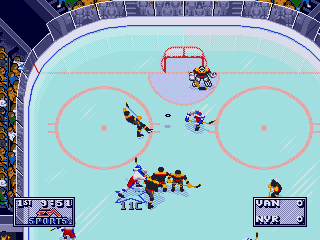
EA Sports Classics is often mistaken for a ‘Megadrive on a Chip’ system, but is actually ports of 2 EA Sports Games to SunPlus SPG110 hardware which is an entirely different platform. Currently FIFA works reasonably well, but NHL has some logic bugs with collisions.

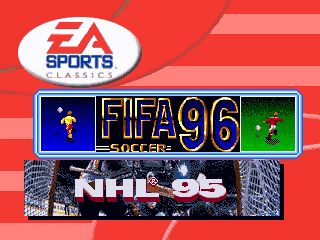

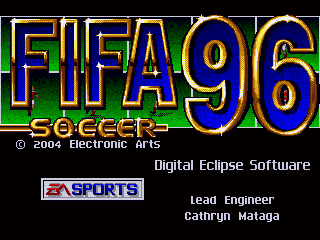
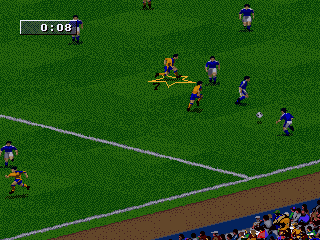
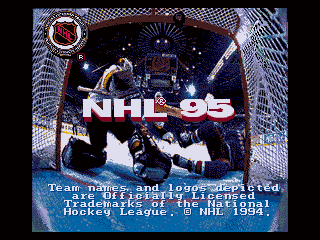
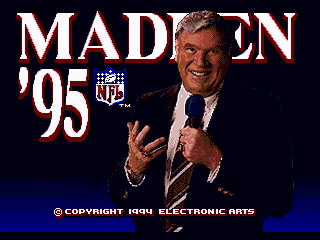
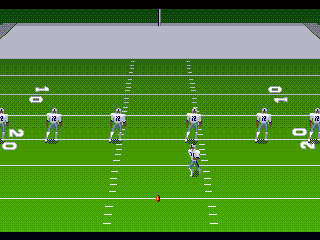
The USA version of the EA Sports unit features Madden 95 instead of FIFA, it also has emulation problems at present owing to the incomplete emulation of the SPG110 chipset.

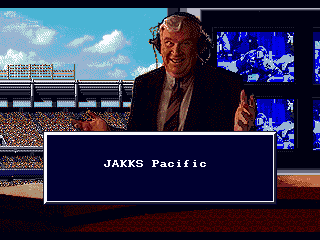
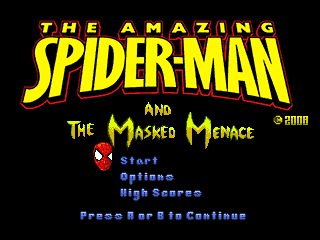
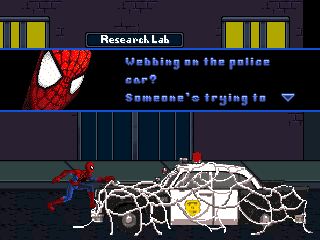
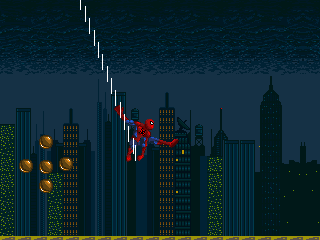
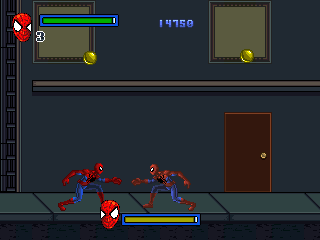
While EA Sports ran on older SPG110 tech, some of the JAKKS games used newer tech. Known by GPAC500, but based on the GPL162xx chipset this newer gen tech still has some emulation issues, but new dumps will definitely help move things forward. One game dumped using that tech was “The Amazing Spider-Man and The Masked Menace”. You can play the game somewhat, but there are many graphical errors and no sound at the time of writing.
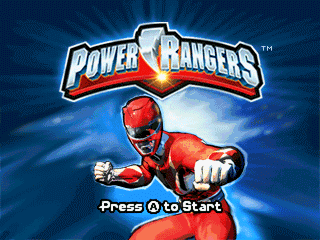
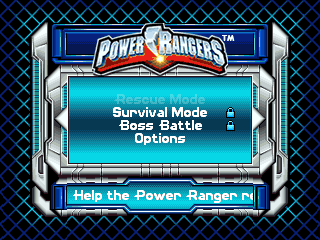
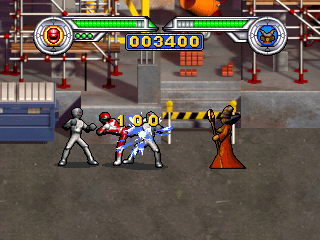
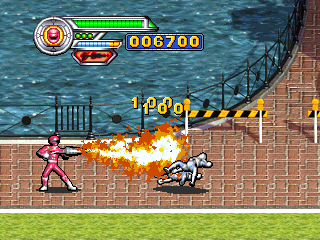
Another GPL162xx based game to be dumped in 2025 was Power Rangers to the Rescue. While still considered ‘Not Working’ and lacking sound this makes less use of the new GPL162xx features, suggesting maybe it was first developed for the older tech before being moved over to this platform. It is playable, but until the overall emulation of the platform is more trusted will retain the flag.
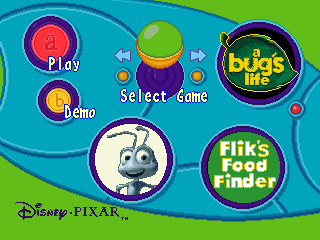
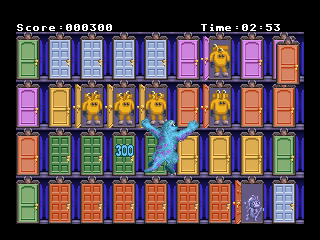
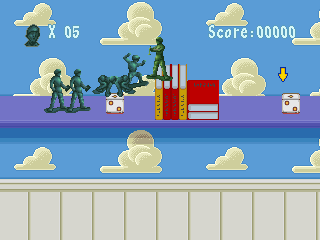
Disney Pixar Classics runs on the better understood SunPlus SPG24x based hardware and features games themed around Toy Story, A Bug’s Life and Monsters Inc. This one is fully playable.
Spider-Man in Villain Round-Up is another JAKKS Pacific game, and it includes a Smash-TV like game.

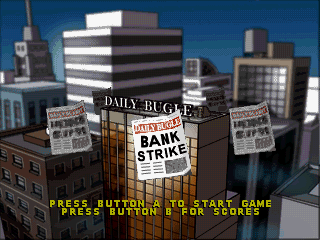
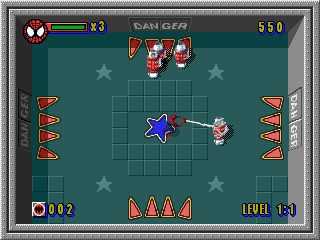
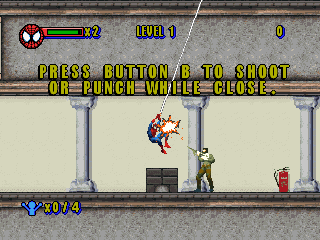
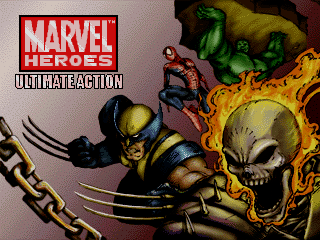
Marvel Heroes: Ultimate Action is unusual in that it contains 2 Ghost Rider themed games, a character don’t see much of.
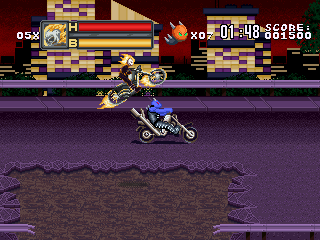


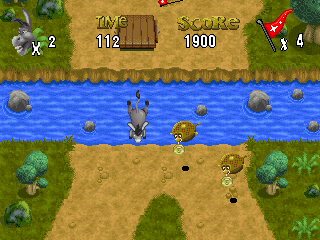
Shrek / Over the Hedge gives you mini-games from 2 different animated movies.
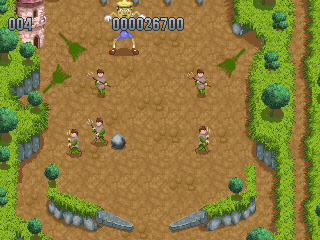
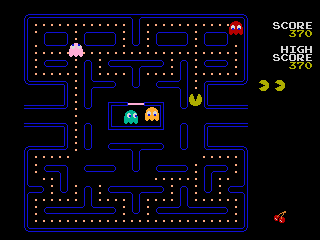
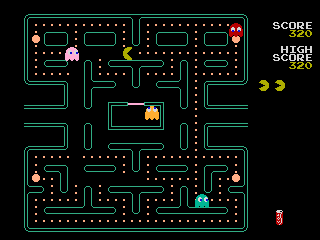
Arcade Gold featuring Pac-Man is one of the later versions of the JAKKS Pacific Namco arcade collections, and while not the biggest, contains a sizeable number of games.
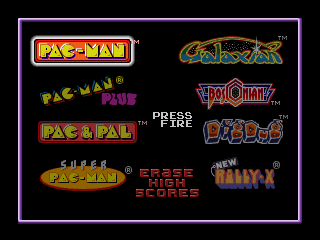
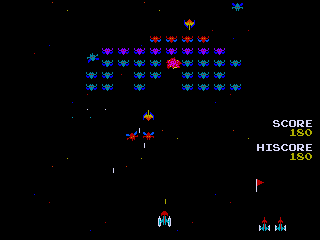
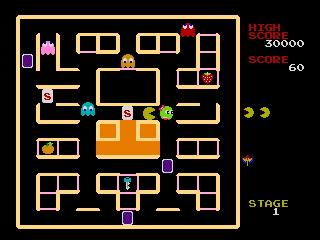
Retro Arcade featuring Pac-Man is the largest of the JAKKS Pacific compilations, and includes all the games except for Ms Pac-Man (exclusive to the Ms Pac-Man units) and the non-new version of Rally-X (which is found only on a Game-Key)
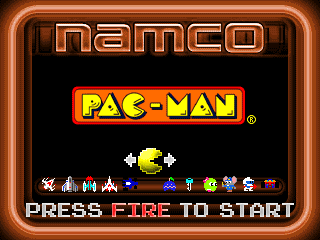
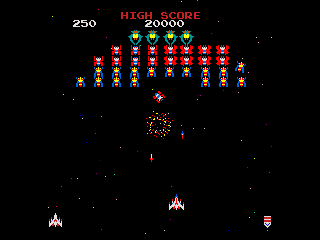
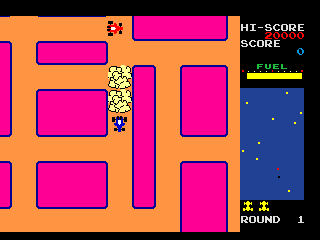
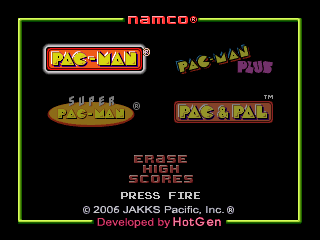
The Super Pac-Man collection is an earlier unit, what’s interesting is it appears this one was originally going to be released as a Game-Key before being switched to a full unit.
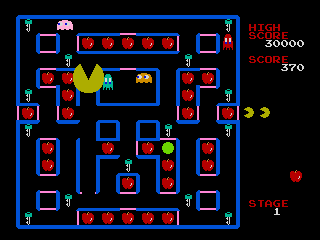
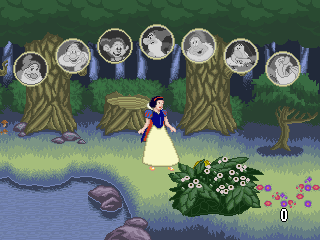
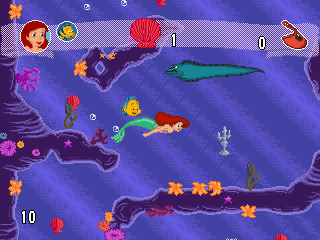
Disney Princess Magical Adventure feature Snow White, Ariel the Little Mermaid and others


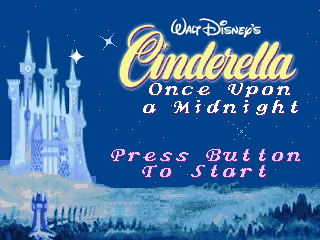
Cinderella – Once Upon a Midnight focuses on characters from Cinderella
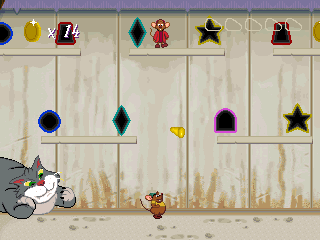
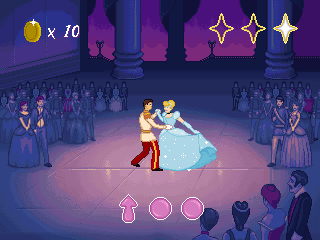
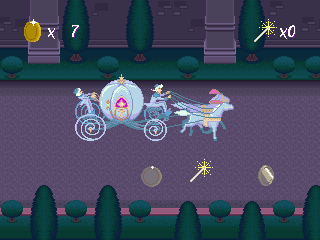
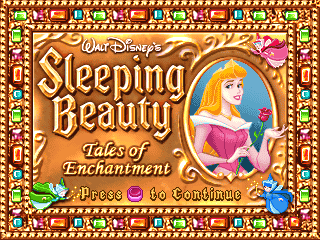
Sleeping Beauty – Tales of Enchantment turns the spotlight to Sleeping Beauty
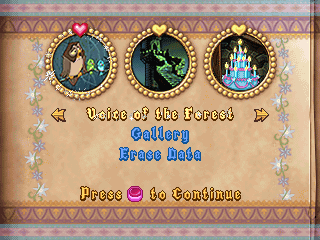
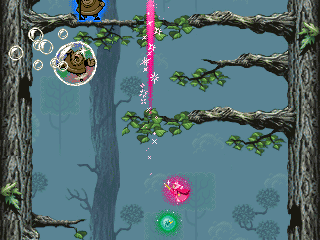
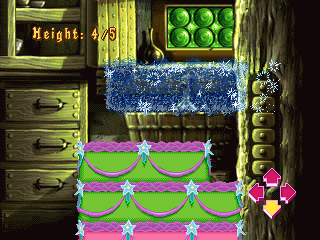
High School Musical mixes things up a little by structuring the mini-games around locations on an overworld map, where you must drive around talking to characters.
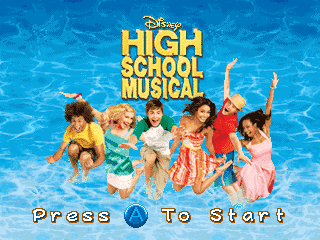


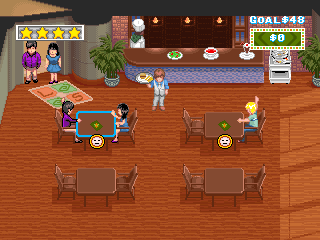
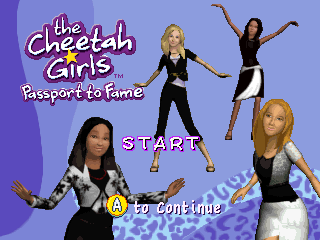
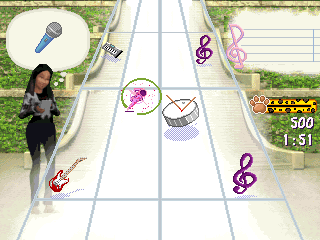
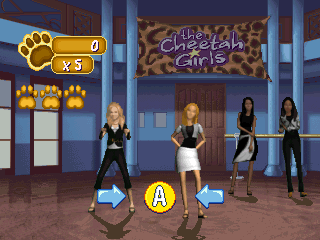
The Cheetah Girls Passport to Fame was a plug and play based on the girl group from the mid 2000s.
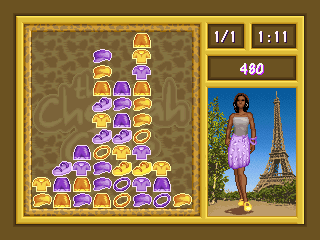
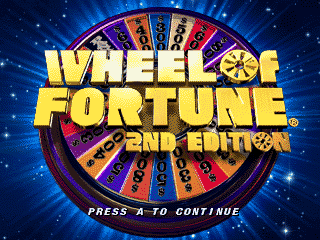
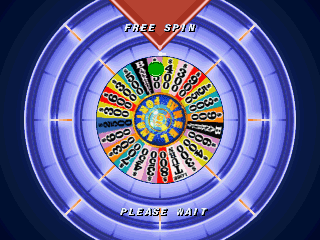
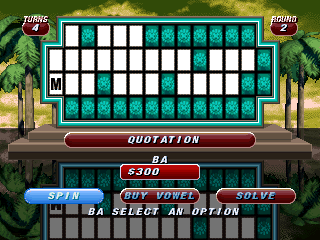
Wheel of Fortune had a 2nd Edition Plug and Play with additional content over the first release. It also ditched the D-Pad controls although interestingly they still function in emulation as support for them wasn’t removed from the device.

Nicktoons Summer Camp is a multiplayer game for up to 4 players, although you do have to take it in turns.

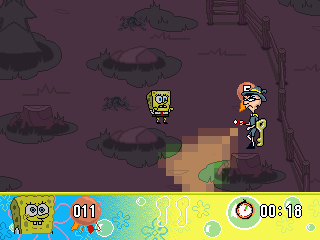
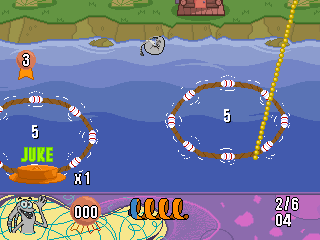
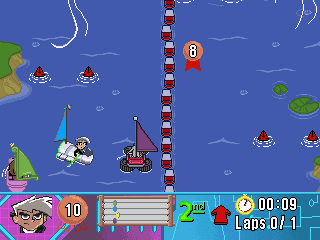
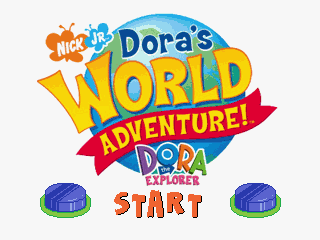
Dora the Explorer – Dora’s World Adventure is yet another Dora themed Plug and Play, definitely one for a younger audience.
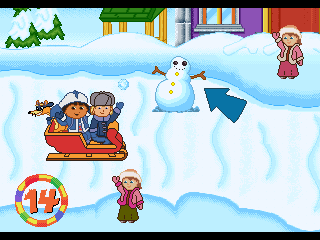
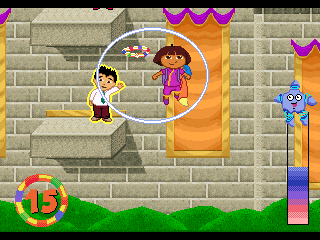
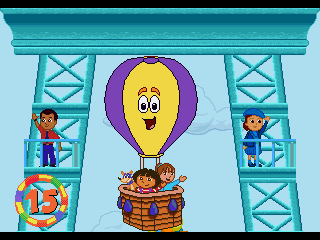
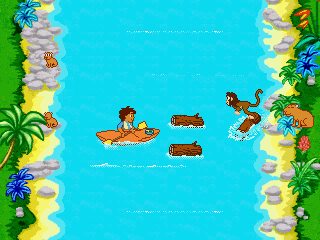
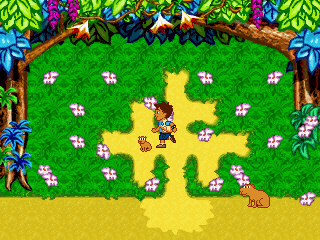
Go Diego Go sits nicely alongside Dora the Explorer

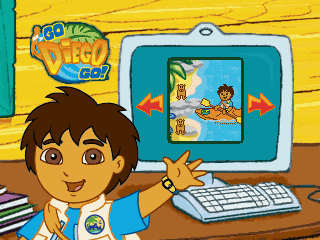
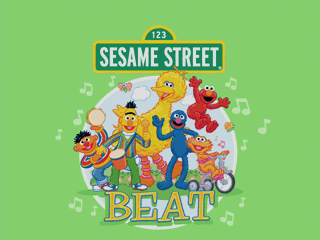
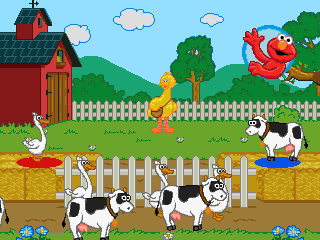
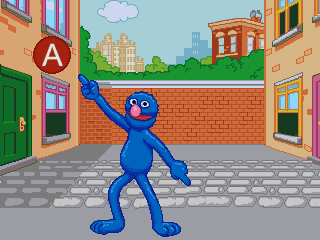
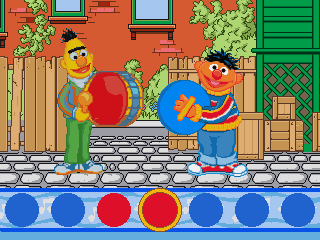
Also very much for kids is Sesame Street Beat, which had a very simple 2 button controller with no joystick. This one was dumped from a PAL unit, and unlike the majority of these JAKKS Pacific games it doesn’t seem like the ROM is coded properly to work with both PAL and NTSC timings so it will be interesting to compare a ROM from a US unit in the future.
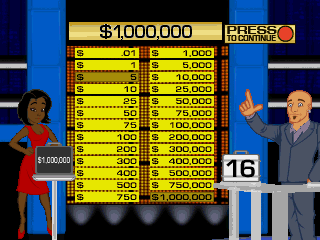
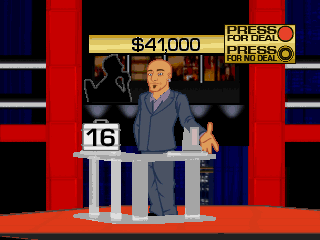
Developed by Pronto Games for JAKKS Pacific, Deal or no Deal is based on the US version of the TV quiz show, and follows the formula found there.

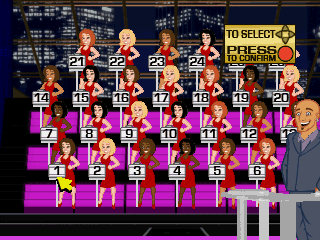
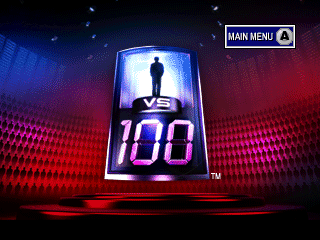
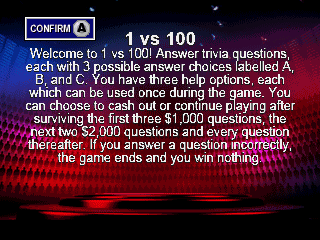
Pronto Games also handled the adaptation of 1 Vs 100 which shares similar presentation values to Deal or No Deal.
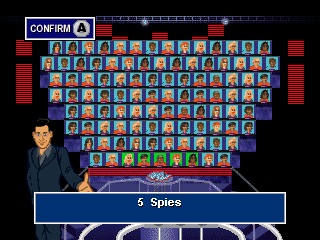
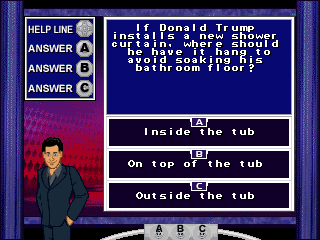
Are You Smarter Than a 5th Grader? is yet another game based on a TV show


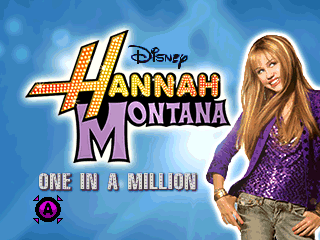
Hannah Montana – One in a Million is the first of a number of Hannah Montana themed units JAKKS Pacific put out
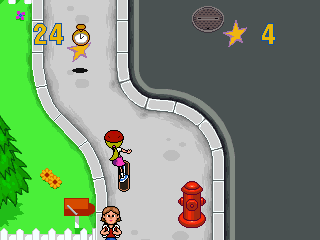
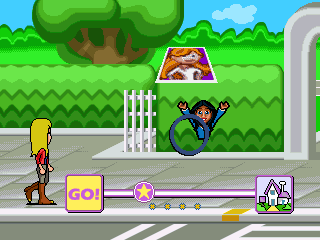
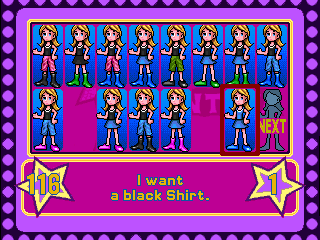
The other Hannah Montana game, Hannah Montana – Best of Both Worlds is more of a life simulator


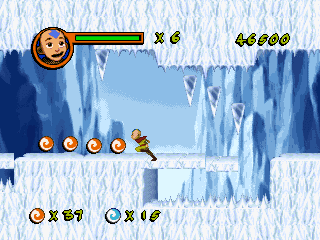
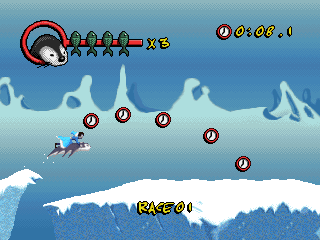
Avatar is based on the Nickelodeon series
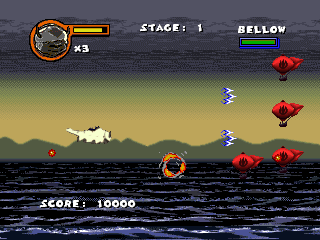
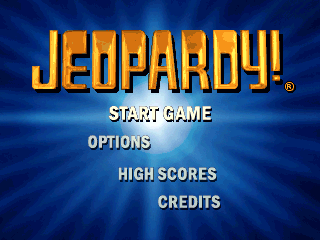
Jeopardy! is another one based on a TV gameshow of the same name


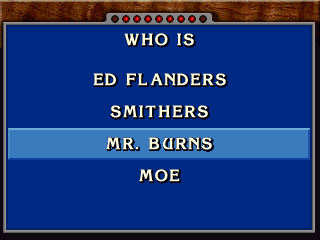
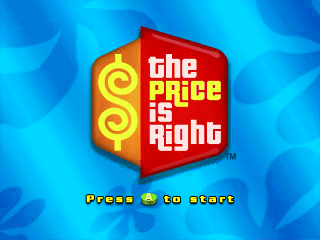
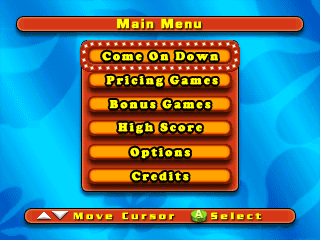
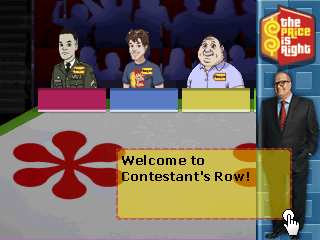
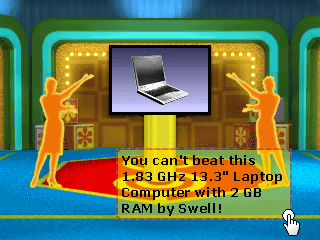
The Price is Right is also based on a TV show, but it’s a GPL16250 game, so emulation isn’t as good yet
Bejeweled Deluxe is another GPL16250 based game, which is playable but has obvious visual issues and currently lacks sound


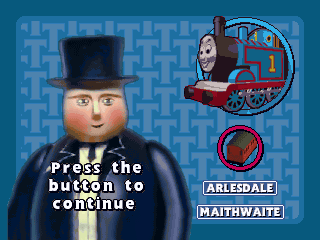
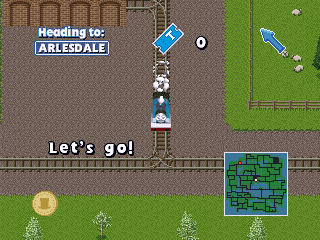
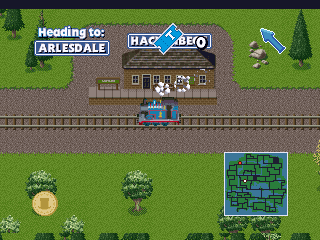
Thomas & Friends – Right on Time runs on SPG110 hardware

Teledoodle is an interactive TV paint program on SPG110 hardware, currently lacks controls


Blue’s Room is also SPG110 based and like Teledoodle lacks controls at the time of writing.


SpongeBob SquarePants Dilly Dabbler is an activity collection game featuring Spongebob, also on SPG110 hardawre


There were 2 Carl Edwards Plug and Play devices released back around 2007. One of them on an 8-bit Elan platform, the other on 16-bit SunPlus hardware. They’re both awful for many of the same reasons. The 8-bit one has been dumped for a while but has a number of emulation issues, the 16-bit one was dumped in 2025 and appears to run fine.


The Whac-A-Mole Plug and Play was a much more popular unit. It’s another SPG24x based unit, and captures the spirit of Whac-A-Mole well, with frantic action and plenty of annoying sound effects to taunt you.


Rock ‘Em Sock ‘Em Robots isn’t a toy that really lends itself to a great deal of depth when it comes to a video game adaptation, and so the Plug and Play based on it, while well presented, doesn’t do anything to push the fighting game genre.


The Hot Wheels Plug and Play is something of a frustrating affair.


Littlest Pet Shop sees you adopting pets and looking after them.


Barbie Pet Rescue also has you taking care of a variety of animals.


My Little Pony – Grand Puzzleventure is one of the better presented plug and plays with plenty of voice acting.


Backyard Baseball and Soccer is one of those cases where you see the Atari name being dragged through the dirt on the packaging. You did get 2 games for your money, but they’re rather slow paced and not too exciting.


Mission: Paintball is a lightgun game from Tiger Electronics in 2004. Emulating lightgun games always feels important because you can’t use the original hardware with modern TVs.


Mission: Paintball Trainer was the sequel and is also now emulated


The Spider-Man 2 Web Action Plug and Play from N-Vision / Toy Quest offers very little in the way of gameplay even for a unit where the gimmick was ‘motion’ controls, requiring you to punch and kick to control Spider-Man.


Kamen Rider Ryuki: Survival Fight is a Bandai Plug and Play that surprisingly uses an older type of clone Mega Drive hardware from the early 2000s, the same chipset found in many bootleg consoles. The game is somewhat playable, but the control hook-up is unclear; punching works, but the unit could scan cards for some extra attacks, which can be triggered when prompted, but the hook-up may be incomplete.


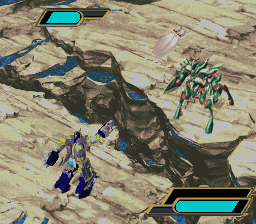
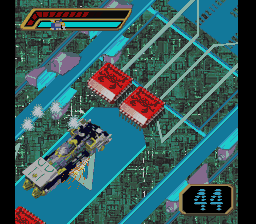
Webdiver Gladion W-05 DX is a XaviX based system which in physical form is a transforming robot. The robot has 2 different forms, which the game software is able to detect and play a different mini-game based on. The first game is a mech shooting game, while the 2nd form is a train-like vehicle where you have to dodge obstacles. There is also some (still unemulated) functionality for connecting other robots in the series to get different weapons in the shooting game.
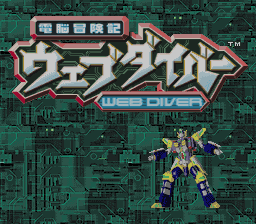
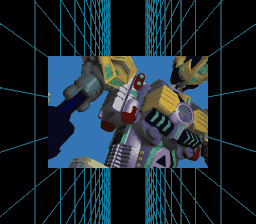
SuperXaviX hardware emulation continued to move forward in 2025, with new ROM dumps, and improvements to the emulation allowing them to show more correct graphics and/or not just crash, even if many still have no controls
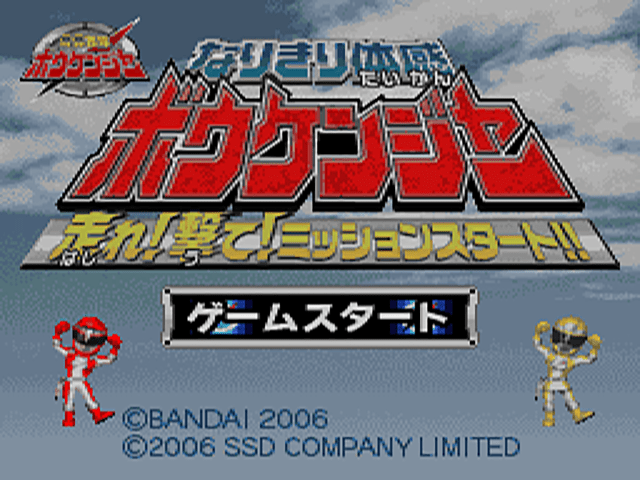
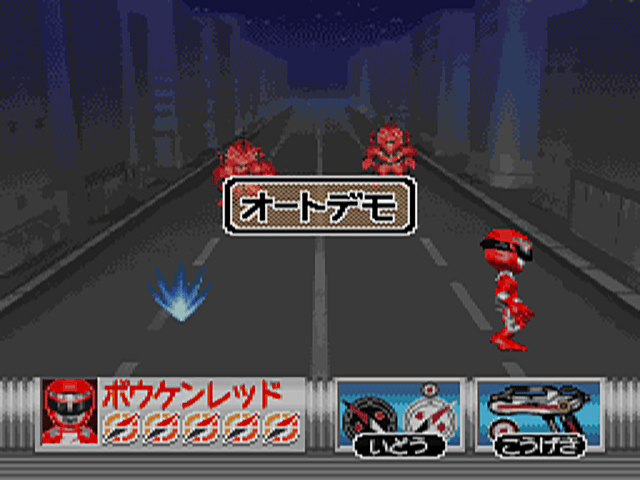
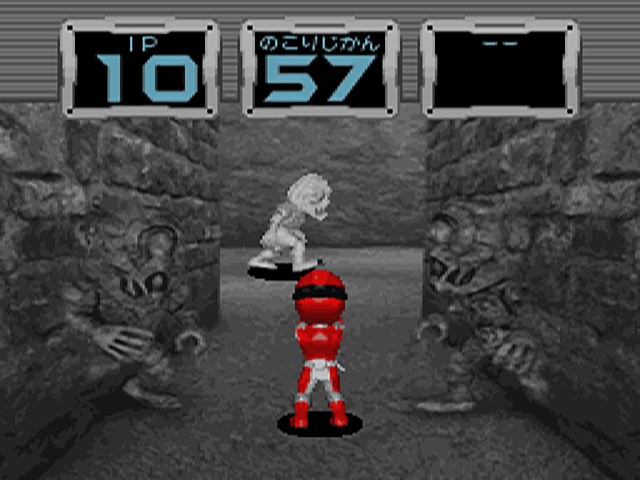
The Super Sentai (Power Rangers) themed game is an example of a SuperXaviX game which used previously emulated video modes, but now shows a full attract demo cycle.

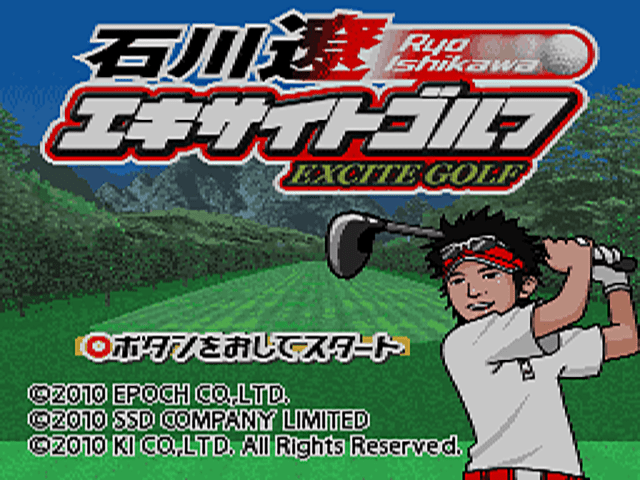
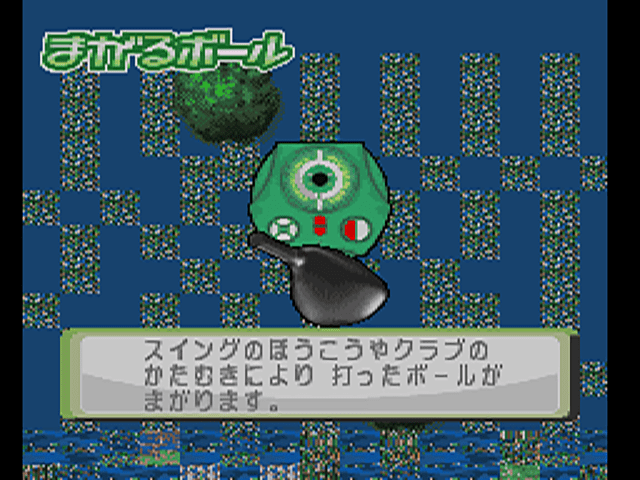
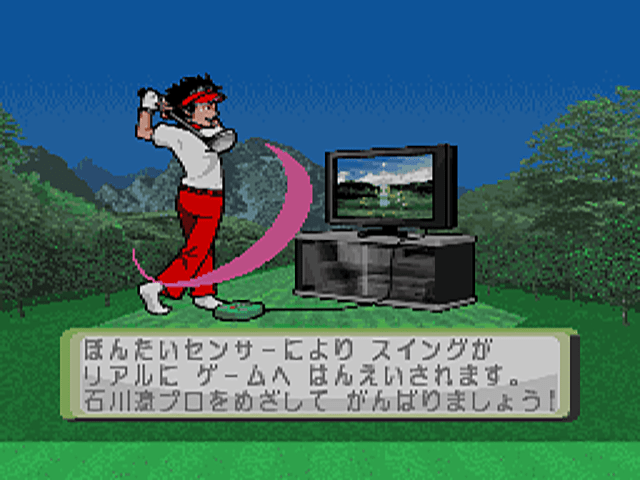
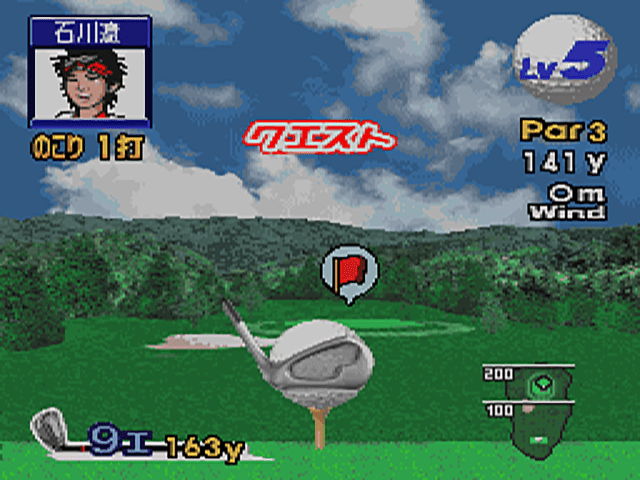
Ryo Ishikawa Excite Golf is a 2010 sequel to the original Excite Golf, and this time runs on SuperXaviX hardware, again showing the progress being made, but also highlighting some remaining issues. Controls aren’t emulated at the time of writing though.
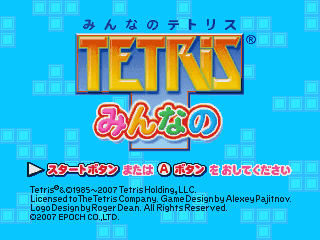
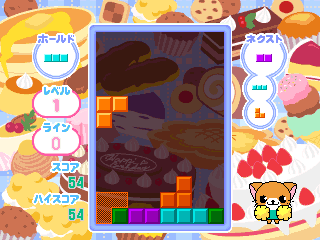
Minna no Tetris from Epoch runs on SunPlus SPG24x hardware, which is unusual for Epoch as the majority of their output of the era used XaviX technology. The game itself doesn’t disappoint though and lives up to the high standards you see with the majority of Epoch Plug and Plays. A variety of game modes and difficulty settings as well as VS modes against either another player or a CPU opponent make this a solid experience. Despite the Japanese menus it’s easy to figure out and a big step up from the Tetris licensed games Radica put to market outside of Japan.
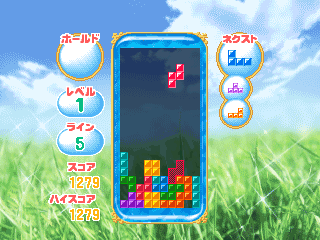
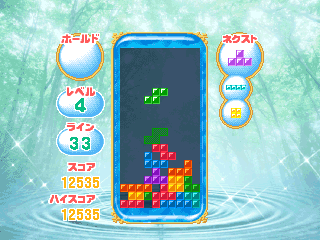
Some My Arcade Tetris units also run to a degree, although the frontend menus are not properly visible to navigate so they retain a NOT WORKING status in MAME for the time being.
The Pro version runs on Megadrive clone hardware.
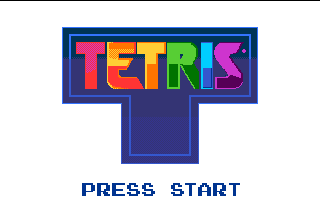
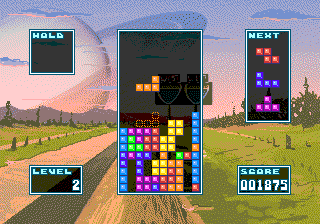
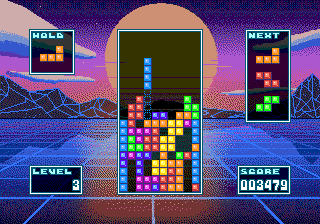
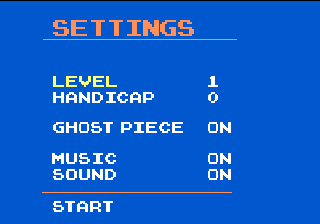
The other versions run on one of the bootleggy NES-clone VT platforms

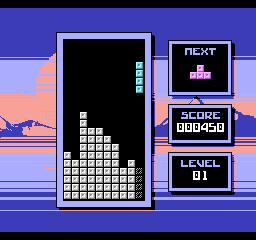


Yet another Tetris game is “Tetris in a Tin” put out by Fizz Creations, it actually runs on VT369 hardware, although you wouldn’t think it from the primitive graphics.
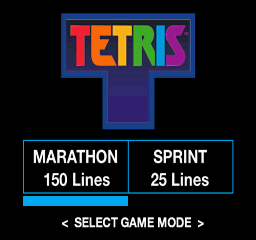
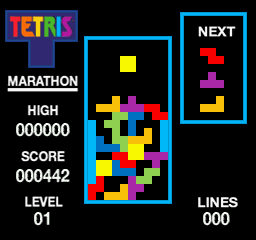
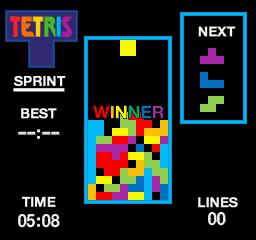
Radica’s Family Tetris was also dumped. This one runs on an ELAN EU3A13 platform. It’s playable, but sound emulation is incomplete so most sounds don’t work properly.


Disney Game It! Princess Pals from Performance Designed Products is a collection of common SunPlus games, but reskined with Disney Princess IP. None of them are especially good, but at least there are a fair number of them, and it avoids the problem many similar units have of just throwing in unthemed bonus games.


VideoJet Plug Play TV Games volumes 1,3 and 4 were dumped in 2025. These, along with 2, which was dumped in years prior, means that all 4 units run in MAME. These games can also be found in the higher capacity PDC units.


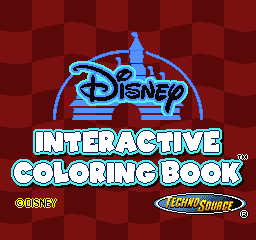
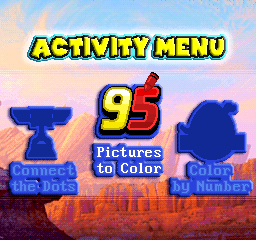
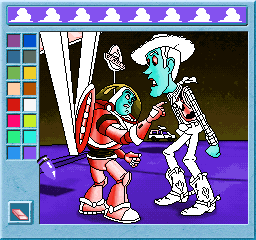
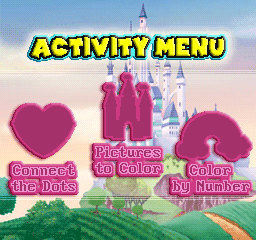
A trio of ‘Interactive Coloring Book’ devices from Techno Source is up next. These run on VT168 hardware and all have the same features, just with images taken from different Disney IPs. There’s one for Cars, another for Toy Story and a final one for Disney Princesses.

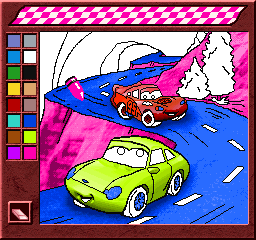
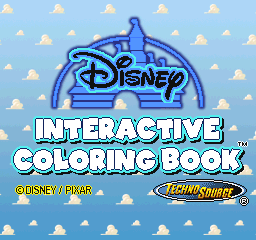
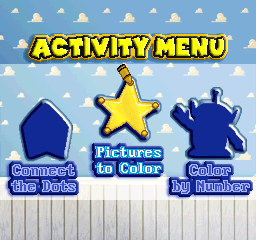
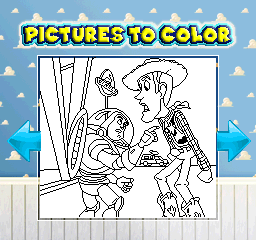


Returning to Disney and related licensed products, and the previously mentioned VT369 progress, a number of the Lexibook V369 based units which contain cheaply reskined games now boot too, although at the time of writing many games in them are still unplayable.
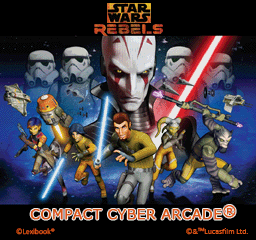
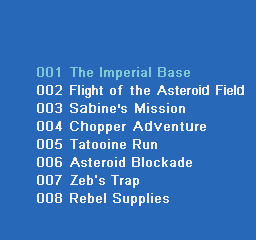
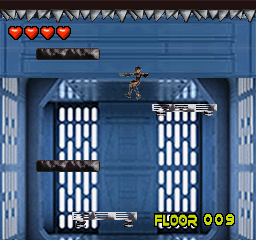
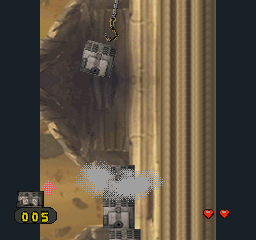


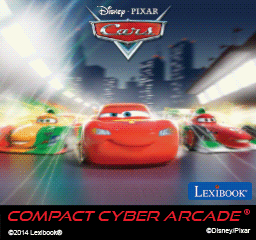

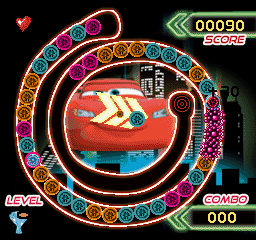
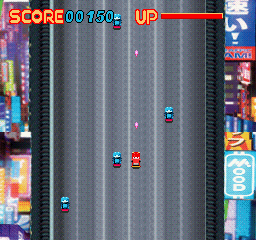
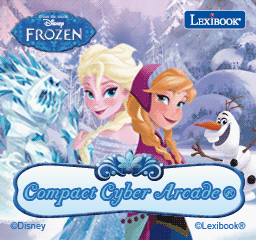
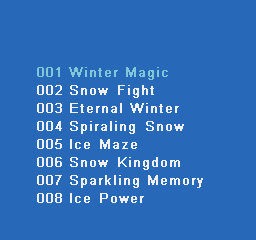

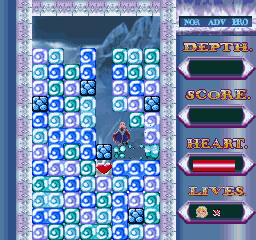
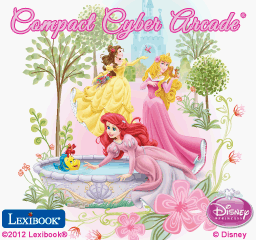
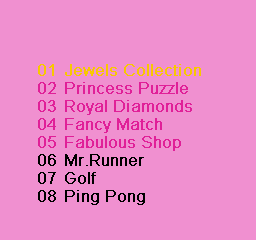
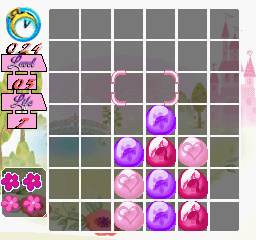
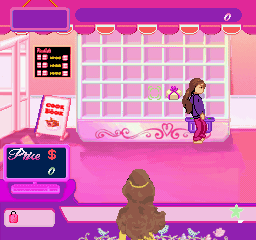



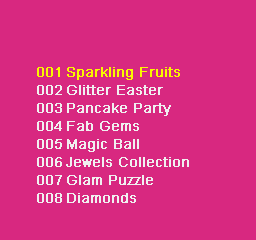
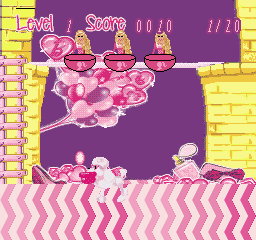




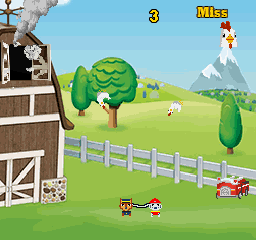
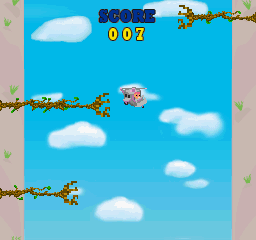
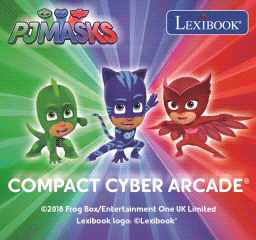
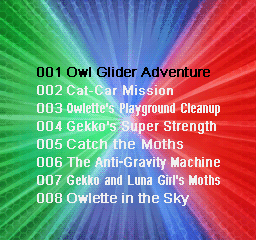
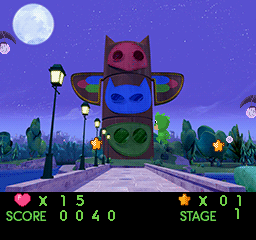
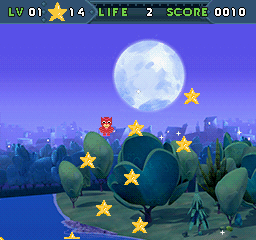
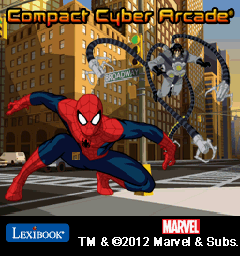
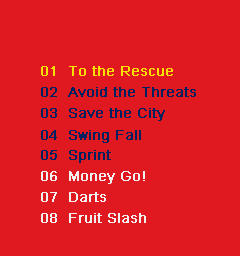
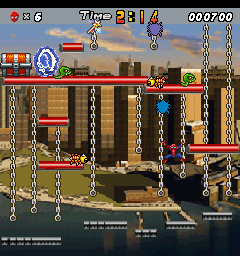
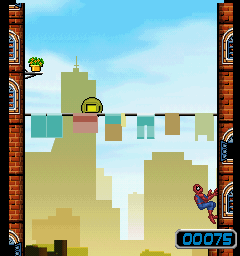


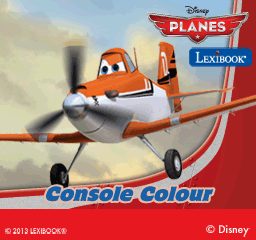
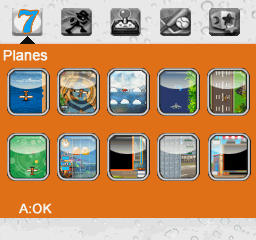
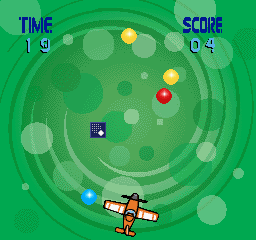
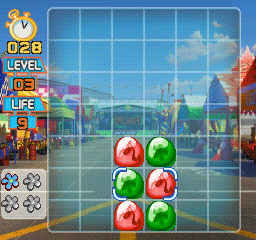
The Lexibook Console Colour units were a very similar, but more shortlived series of handheld devices with slightly different menu presentation, but with reskins along the same lines as the Compact Cyber Arcade devices.

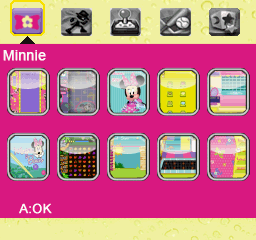
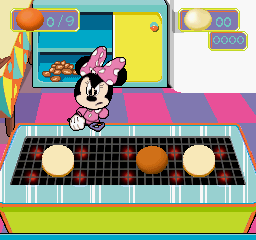
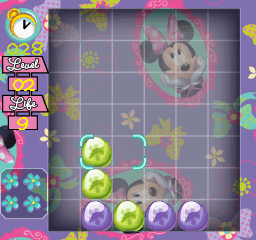
The Lexibook Retro TV Game Console 300-in-1 machines also run on VT369 hardware (or maybe VT389) and show something now. Interestingly the menus on these are meant to use a high resolution mode, although the current emulation treats it as standard resolution.

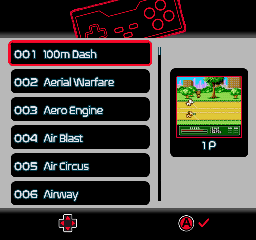
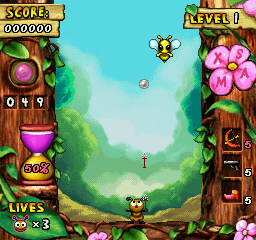
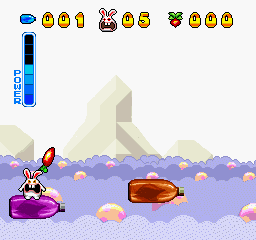
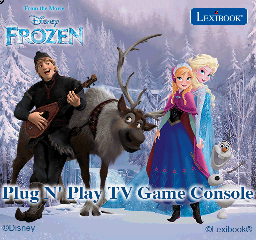
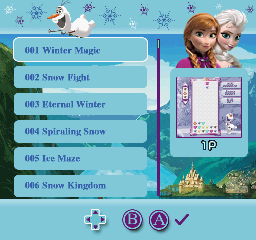

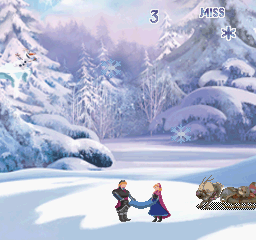


The VT369 units sometimes also used a lower resolution LCDs, and the VT369 supports output in these lower resolution. The ‘Pocket’ range of Cyber Arcades makes use of this, although the only native low-resolution parts are the boot screen and menu, which also for some reason are rendered as vertical images natively, but are still expected to display horizontally on the same LCD as the games, which are still natively rendered as horizontal, a very strange setup.


The Lexibook Arcade Center is another example of a lower resolution disply, but with many of the games natively running at the lower resolutions.

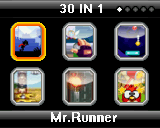
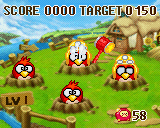
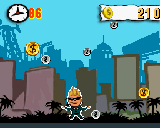
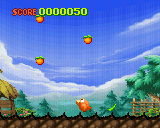
There was also a 60-in-1 version of the Arcade Center


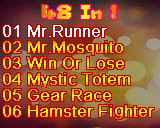
The Mini Game Player 48-in-1 is another lower resolution unit with a similar selection of games.
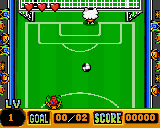
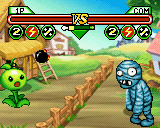
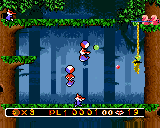
The NubSup Mini Game Fan is interesting because in additional to the unusual form factor (a portable fan with built in games) it contains a Puzzle Bobble-like game that hasn’t been seen on other units. It does however suffer from similar emulation problems as some of the other VT369 units at the time of writing, with some elements not updating properly such as the score display and level counter.


Lexibook’s Cyber Arcade TV Ferrari is another case of Lexibook grabbing a license to something popular, in this case one from car manufacturer Ferrari. Unlike the Disney units shown above this is on a SunPlus platform. Unfortuantely it’s a complete waste of a license, the only thing themed are the bootscreen / menus and the selection of generic SunPlus games has basically nothing to do with Ferrari at all, there’s not even a ‘serious’ driving themed game amongst them.


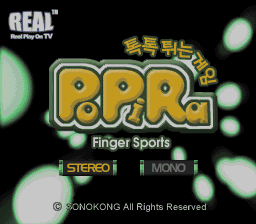
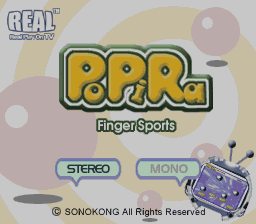
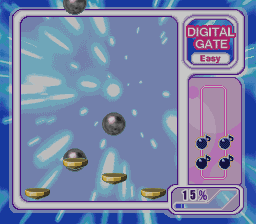
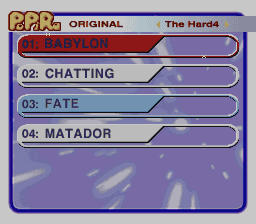
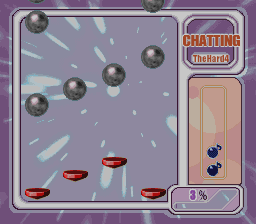
Regional releases are often interesting, and in the world of Plug and Plays that’s no exception. Sonokong released a version of Popira, subtitled ‘Finger Sports’ for the Korean market, and as well as presentation changes compared to the Japanese release, there are some new songs, and others moved around to easier / more difficult patterns. While it still has a cart slot like the Japanese version, the Japanese cartridges aren’t full compatible.

e-kara also saw a release in Korea as i-singer. This version of e-kara used its own line of cartridges, 4 of which are supported. Much like with the Korean Popira, the i-singer cartridges aren’t fully compatible with e-kara units or vice versa due to modified font resources shifting other data around in the BIOS.


Not a regional variant, but an important milestone with the regular e-kara was also reached in 2025, with support for the KD-4 cartridge being added. This was the final previously unsupported Japanese retail release, meaning the entire known Japanese retail library for the system is now covered in MAME.


The SH6578 was an older not-quite-NES-compatible chipset which some Plug and Plays used. One of those Plug and Plays was Hyakujuu Sentai Gaoranger: DX Soul Bird from Bandai. Despite the fancy looking controller, this actually just uses 3 buttons (and only 1 of them is used in gameplay, the other 2 are just for navigating the menus)


One suprise is that some of the My Arcade units with vertical screens actually still make use of Genesis / Mega Drive based hardware, rather than being emulation based units.


The Galaga / Galaxian unit also uses Mega Drive based hardware, the inaccurate starfield is a visible tell.


For Space Invaders the extra border space acts as a tell, as the original Space Invaders used a 260×224 mode, which doesn’t quite fit into the Mega Drive’s lower resolution 256×224 and so required use of the 320×224 mode with additional black space at the top and bottom of the screen.


More IGS Gambling Games
Work from 2024 on dumping IGS027A internal ARM ROMs continued in 2025, with some unusual hardware pairings being found. Several poker games turned up with the 027A chip, but driving the very primitive video hardware otherwise found on some of IGS’s earlier Z80 based titles. Presumably this was done so that the game code could be rebuilt for newer hardware without changing the video functions. Most of the older games used a pair of chips for this video logic, but here it’s found in a single IGS033 custom.
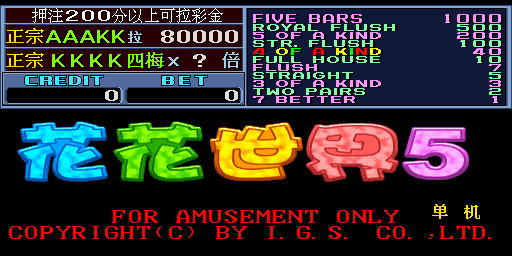
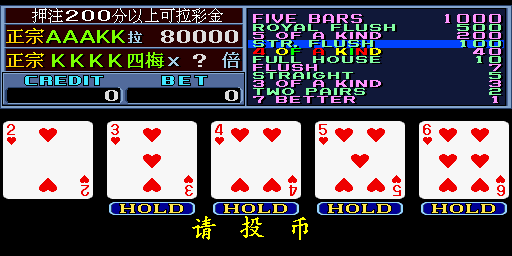
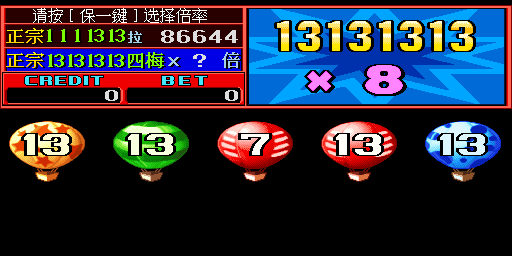
Huahua Shijie 5 is one such example, it also has an alternate title when a hot air balloon graphic set is enabled in service mode. The game can be played, but the payout hopper is not emulated.
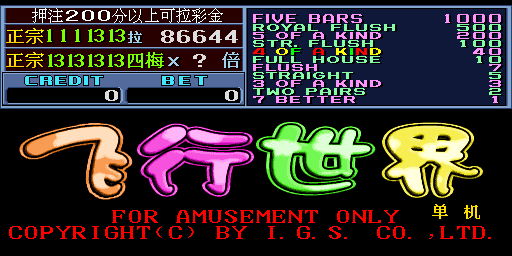
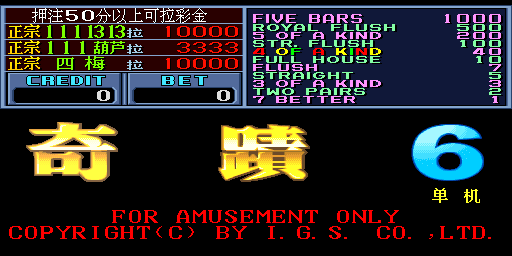
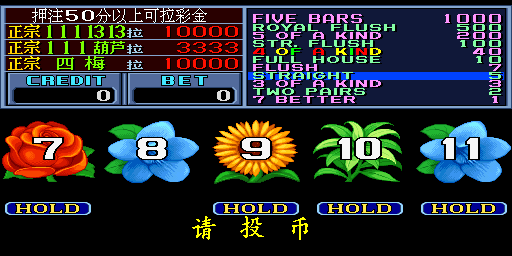
Qiji 6 is in the same boat, and on the surface looks like a very similar game, although in this case when the card set is changed in service mode the title remains the same.
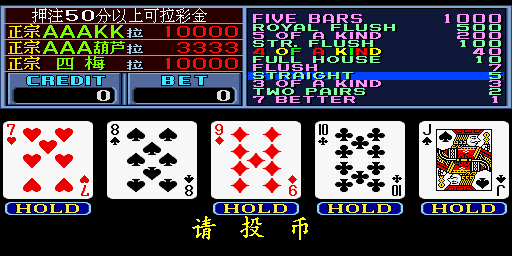
Jin Hu Lu II is an older title, driven by a Z180 rather than the 027A ARM, multiple board revisions seem to exist, some with the IGS033 mentioned above, others with the separate IGS001/IGS002 chips.
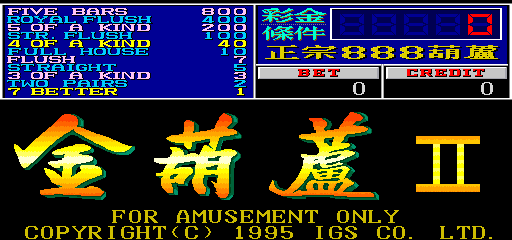
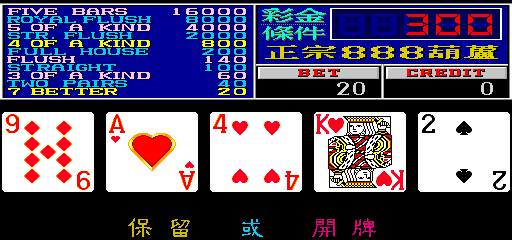
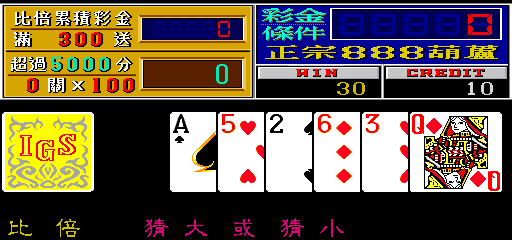
Huahua Shijie II is presumably an older version of Huahua Shijie 5 above, although has the flower graphics like Qiji 6. This one also runs on a Z180 and has been seen with and without the IGS033.
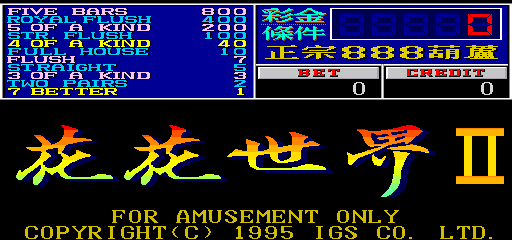
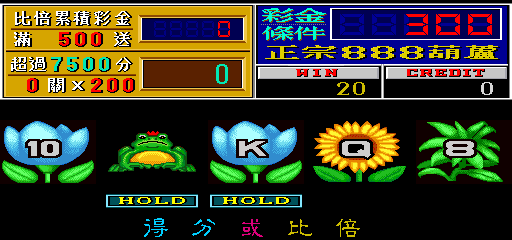
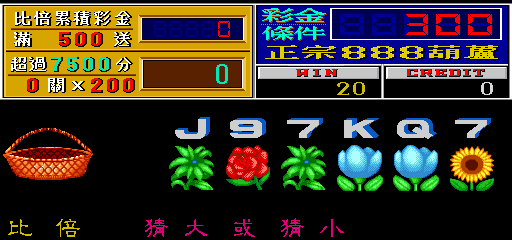
IGS also released gambling titles outside of the Asian regions, with Haunted House being one of the better known ones.


Jungle King 2004 is the US version of an IGS gambler that goes by a few different identities too.


Majiang Zhengba is a mahjong title from IGS running on the same hardware platform as Fearless Pinocchio, meaning it has higher resolution graphics than most other IGS mahjong games of the period. There are still some issues with the sound emulation when it comes to the demo sounds.


Huangpai Zuqiu Plus / Chaoji Shuangxing Plus is an IGS gambler with a light football theme


Taishan Wuxian Jiaqiang Ban visits a common jungle theme with a slots style game, again from IGS


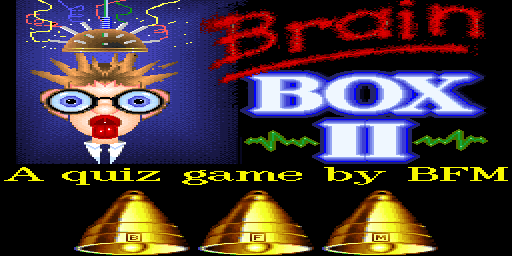
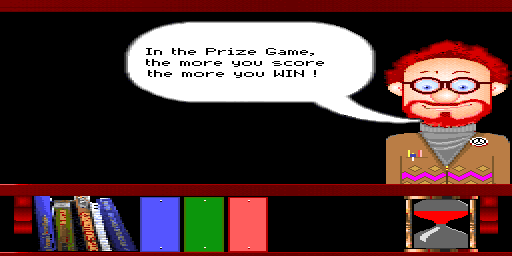
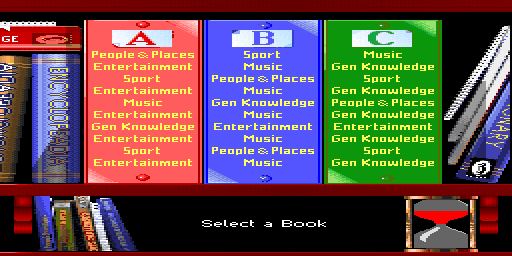
There are many lost UK quiz machines, the kind often found in pubs, so it’s always good when they show up. Brain Box 2 was one of the ones to resurface in 2025 and offers about what you’d expect in terms of gameplay with prizes on offer.

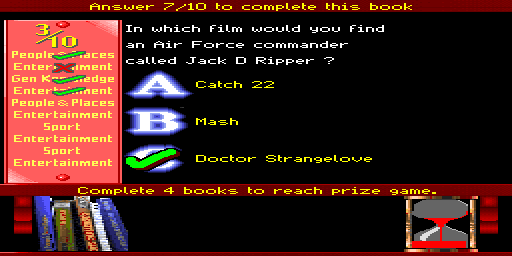
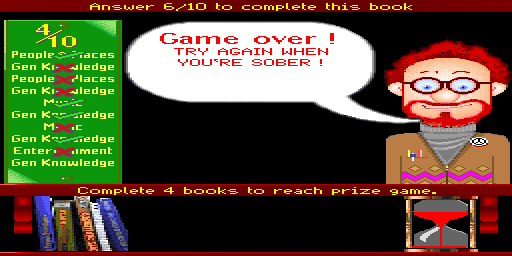
The PLS-1000 from Brainchild was also dumped, along with 5 compatible cartridges (although they might be backwards compatible ones from another system, as they predate the system based on the dates shown) While not quite a Plug and Play, I’m including this here as another battery powered handheld.


Important Fixes for Long Term Emulation Issues
Konami’s Devastators has been supported in MAME for a long time, even marked as ‘Working’ but it’s never really been properly playable due to broken protection handling. The protection in the game takes care of many maths operations, including ones used for targetting, collisions, and enemy spawning. That was all fixed in 2025, meaning you can no longer just walk through the obstacles, enemies spawn as they should, and you can correctly target things like the guardtowers with your rockets. For the first time the game can be considered actually playable in MAME.


Proving that there’s still room to improve the classics, Contra also saw an important fix in 2025. Despite a number of bugfixes in recent years, one issue remained, stray sprites would get left on screen if you allowed the continue countdown to expire, of continued on either 0 or 10. These could block your view if you tried playing the game after that had occured. The issue was fixed in the middle of the year.


The raster interrupt effects in Ninja Baseball Bat Man have never been quite right under MAME until now either. Previously the black bars during cutscenes, and the shadow on the title screen were broken in some way, as were many other places in the game depending on more precise timing of interrupts. That’s been fixed.


Cosmo is a rare take on the Galaxian formula from TDS & MINTS. It’s a unique game right down to the starfield circuity that wasn’t previously emulated, and has the ability to scroll from sideways in addition to the usual scrolling. That starfield was added in 2025.


Steps in the Right Direction
Emulation of 3D platforms is often asked about when it comes to MAME, none less than Sega’s Model 2 platform, for which the standalone emulator is starting to show its age. Progress was made on Model 2 in MAME during 2025, with a number of games that were previously unplayable due to severe issues now looking and playing much better, even if they haven’t been promoted to working state just yet. House of the Dead is a good example of this, previously it lacked 3D entirely, now it is playable from start to end.


One of the most interesting things about Model 2 is it shows attempts to break into the 3D market from companies generally only known for 2D titles. Data East’s Air Walkers being a little known basketball game. As well as visual fixes MAME gained 4 player support on the title, a feature also seen on some of Data East’s older basketball games.


Jaleco also attempted to do 3D with OverRev, which often gets overlooked amongst the more popular Sega racing games on the Model 2 platform.


Model 2 marked the beginnings of several important 1st party Sega IPs, including Virtua Striker, which is much improved from MAME’s previous state of emulation, now rendering the pitch correctly.


Console Improvements
While usually regarded as a low point in Sega’s history, the 32X was home to a number of well regarded arcade ports, including Virtua Racing Deluxe, which now functions in MAME (as long as you turn the recompiler off, otherwise you get glitchy polygons)


After Burner (2) Complete was another respectable 32X release, and while not arcade perfect due to a lower framerate and some degraded visuals it did offer something over the original Mega Drive port. The 32X version had audio issues in MAME previously, those were fixed.


More Gambling
Super Shanghai 2000 (and Super Shanghai 2001) are somewhat ugly looking gambling games, with the former at least being of note because it’s one of the ‘stealth’ gambling games, designed to get around anti-gambling laws by presenting an innocent looking tile matching game unless the machine is switched to gambling mode. The 2001 sets seem to lack this feature.


Victory Paradise II offers a bit more ‘depth’ to the gambling with more reels and line configurations.


Dokidoki Kingyo Sukui is a Sammy medal game, which is a genre often even more primitive than your standard genres. This doesn’t really break away from that either, you simple insert a coin and press a button to either win, or not win.


Kotekitai Slot likewise doesn’t stray far from the formula.


Konami was no stranger to making medal games either, and Slime Kun is one of theirs that saw promotion to working state in 2025. It uses a Rock, Paper, Scissors style of gameplay.


Tsururin Kun, also from Konami, has you trying to steal eggs without being seen.


Baccarat Special by World Station is a well presented card game


Lucky Pierrot from Cobra is a run-of-the-mill video slot machine, but again is relatively well presented.


Kiddie Rides
Arcade PCBs often ended up powering “Kiddie Ride” style machines, where a parent would be expected to insert a coin and have their child enjoy a short interactive, or sometimes non-interactive animation. These aren’t fully fleshed out games in any sense, and sometimes offer even less gameplay than simple medal style gambling machines.
Waku Waku Pajero, from Sega, is an example of one such machine for which support was added in 2025. This one fits firmly in the non-interactive category, simply showing 3 different animals in a jungle setting with basic animations and sounds. The animation is always the same, and the only input seems to be a horn button which has no effect on the sequence shown. It runs on Sega’s C2 platform, which is very similar to a Sega Mega Drive.


Waku Waku Thomas is another kiddie ride on Sega hardware, this time System 16. Developed by Banpresto this one offers a bit more interactivity and features a number of characters from the kids’ series.


Prototypes with different titles
Saurian Front is a prototype build of what would become Strike Force, Midway’s attempt to do a more modern follow-up to Defender. It seems to have quite a lot of differences to the final game, maybe unsurprising as it’s from at least 4 months before the released version.


Missing in Action / MIA is an earlier localization of Data East’s Bloody Wolf. It seems closer to the Japanese version of the game than the final US version, which was titled Battle Rangers. It is unclear why the game was renamed, but Konami’s Missing In Action was due for release around the same time, so it’s possible that was already public knowledge and a new name was chosen to avoid a possible conflict.


Incremental Improvements to Difficult To Emulate Systems
2025 saw some small improvements to the emulation of Namco System 23. The games aren’t yet playable, and still have many visual issues, but a better understanding of how things work was gained, leading to some visible improvements to a number of classic 3D arcade games of the period.


Sound Improvements
2025 saw an overhaul of MAME’s sound system, allowing for sound input as well as output, which will be handy for hooking up microphones in the future. The sound system rewrite also gave a higher quality resampler for cleaner audio output, and the ability to use more than 2 output channels for better mapping of games with multiple speakers, something seen in a number of higher end arcade cabinets.
Apart from the core sound improvements a number of individual drivers also saw significant improvements to their sound emulation. The Hyper NeoGeo 64 games, which have been playable for a few years now benefitted greatly from improved emulation of the sound chip they use, bringing the audio on them very close to correct. The Hyper 64 also benefitted from the multi-channel output previously mentioned as games such as Roads Edge and Xtreme Rally have rear speakers and seat subwoofers that can now be mapped to similar devices on your PC.


One of the driving factors behind getting the Hyper NeoGeo 64 sound running was however not the Hyper 64 games themselves, but the Akai / Roger Linn MPC3000, a electronic instrument / sampler that used the same sound chip which was used for the production of many famous 90s hip-hop albums. It isn’t fully functional in MAME quite yet, but you can make use of it.

The XaviX System on a Chip, used by many Plug and Play games, especially Japanese ones also had its audio support improved significantly, again bringing it much closer to the output of the real systems. Given the extensive musical nature of the library of software developed for the XaviX based platforms, including a number of rhythm games and the e-kara Karaoke system which was hugely popular in Japan these audio improvements are of great benefit to the games in question.
Emulation of the CEM3394 chips used by the Bally-Sente system was also improved. This hardware powers a number of low budget arcade games from the mid 80s.


Similar to how the Hyper NeoGeo sound system came from the MPC-3000, the Bally-Sente sound system was found in an electronic keyboard, which is where these improvements came from. In this case the Six-Trak (Model 610)

Modern Systems
The ZX Spectrum Next ‘TBBlue’ is a modern FPGA based machine that acts like an enhanced ZX Spectrum, with higher clock options, new video modes, new audio features, and support for modern peripherals. The emulation of it (in an HLE kind of way, it isn’t emulated at FPGA level) has been progressing for a while now. 2025 saw a (very) basic Software List added, with a CF card containing the OS, and another containing a game. While this barely scratches the surface of the system it makes it more testable.


Conclusion
I don’t think MAME quite managed to build or maintain as much momentum I would have hoped for in 2025, but there have been some very important improvements.
A lot of people will focus on the Model 2 improvements, as many of those games are very close to being given ‘working’ state, and MAME is already emulating graphical effects that the old Model 2 emulator was missing, albeit with significantly higher system requirements. It was exciting to see the old code finally being looked over though, and that’s part of what I was meaning by 2025 being a year where we saw some of the potential MAME has being unlocked. Progress on these 3D systems is always tough, and while not nearly as close to working the Namco System 23 progress is another area where seeing the gears of progress in action provides some hope we’ll see them promoted to working in the next few yeas. Improvements to the performance of the Konami 3DO M2 hardware, as well as a number of other Konami 3D platforms, neither of which I’ve even mentioned earlier in the write-up are also significant on that front. Hyper NeoGeo 64 getting working sound was significant for many too when it comes to MAME emulating 3D systems, although the sound emulation did have a significant effect on performance, and is actually heavier than the rest of the system emulation there!
There have been major disappointments too, such as some excellent progress on networked Namco systems, such as Drivers’ Eyes, which happened in February but was then ignored by the team for the duration of the year. Screenshots of that progress was in previous revisions of this article, but have now been removed as it’s quite clear it’s not going to be added, at least not this year. This is a disheartening side of MAME development that does make me worry for the future of the project, and the outward impression it’s giving to potential contributors.
While most of the improvement to MAME’s coverage of 2000s Plug and Play systems came from hardware research and working out how to dump the titles, rather than code improvements it’s been wonderful to see the number of holes in MAME’s coverage reduced substantially. The XaviX sound improvements also made a huge difference to some of the games that were already functional, and as many of these Plug and Play devices were based off licensed content emulation will eventually be the only way to experience them due to the chances of them seeing modern rereleases being close to zero. Having a better representation for many of the bootleg consoles is also important as while nobody really likes them they’ve become a major part of the industry.
Many chess computers and handheld games were also added, and while they haven’t been covered in any detail here those are again important and it’s been good to see the level of dedication in getting so many of them emulated; chess and the evolution of chess computers is culturally very important as they represent a benchmark of computing power over the years.
Overall though, I do think it’s been a mixed bag, and maybe the number of screenshots here oversells the actual progress in MAME somewhat; even many of the most noteworthy events of the year, such as Atari’s Jammin prototype being recovered represent more external work being done on preservation than MAME itself moving forward; once it was established that it ran on Donkey Kong hardware it was pretty much a drop-in to the existing driver, requiring no improvements to MAME. The number of these drop-ins is only going to decrease over time, so for 2026 to have such an impressive line-up of screenshots is going to require significantly more work on the MAME code itself, rather than relying on this kind of external discovery.